Happy 100th, Dick Van Dyke! To celebrate: a divulgence of my college essay
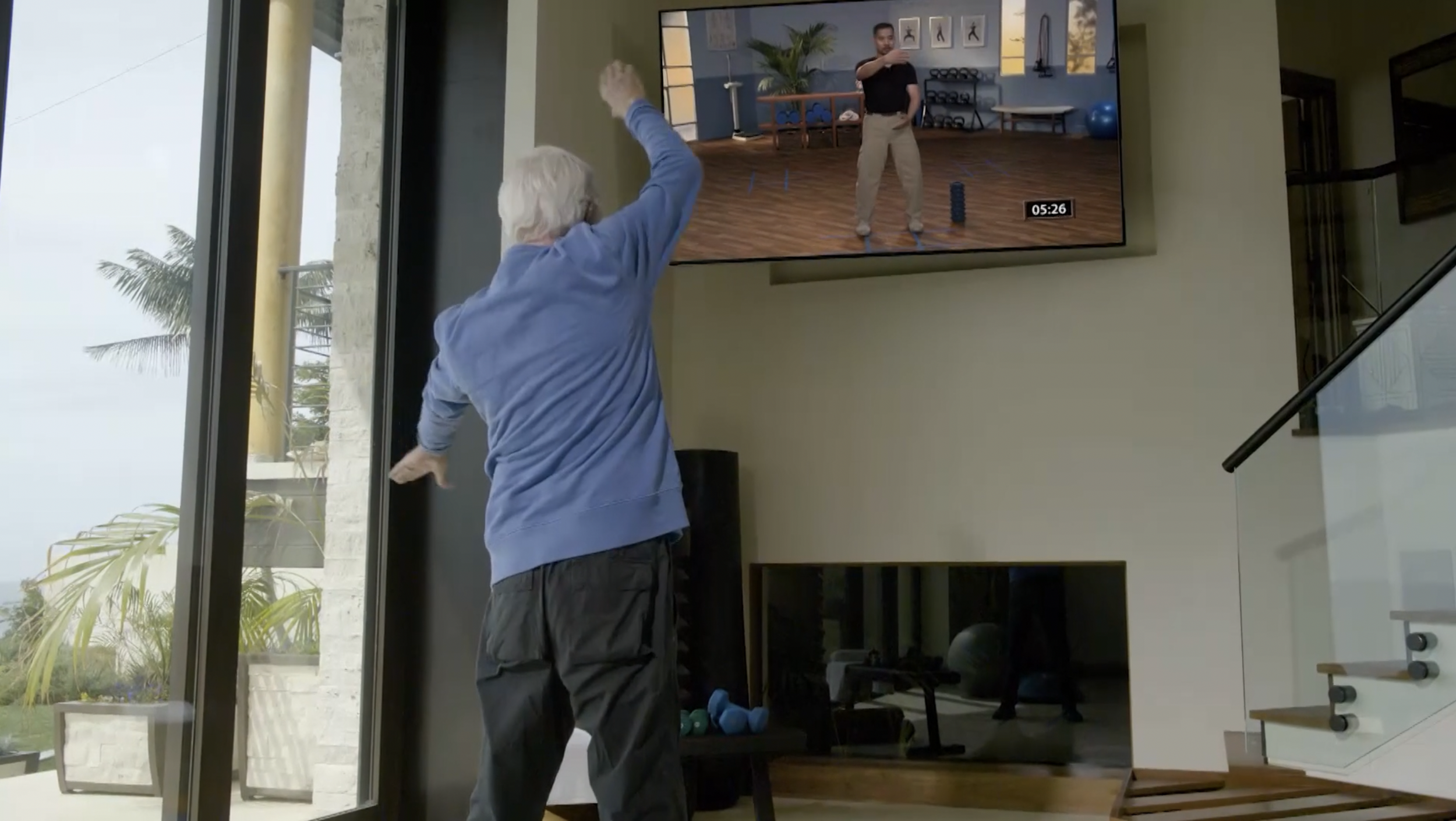
Happy Birthday, Dick Van Dyke! While my favorite work of the newly-minted centenarian is probably Chitty Chitty Bang Bang, there’s a special place in my heart for one of his lesser known performances: the 2017 infomercial Tai Cheng with Dick Van Dyke, of course!
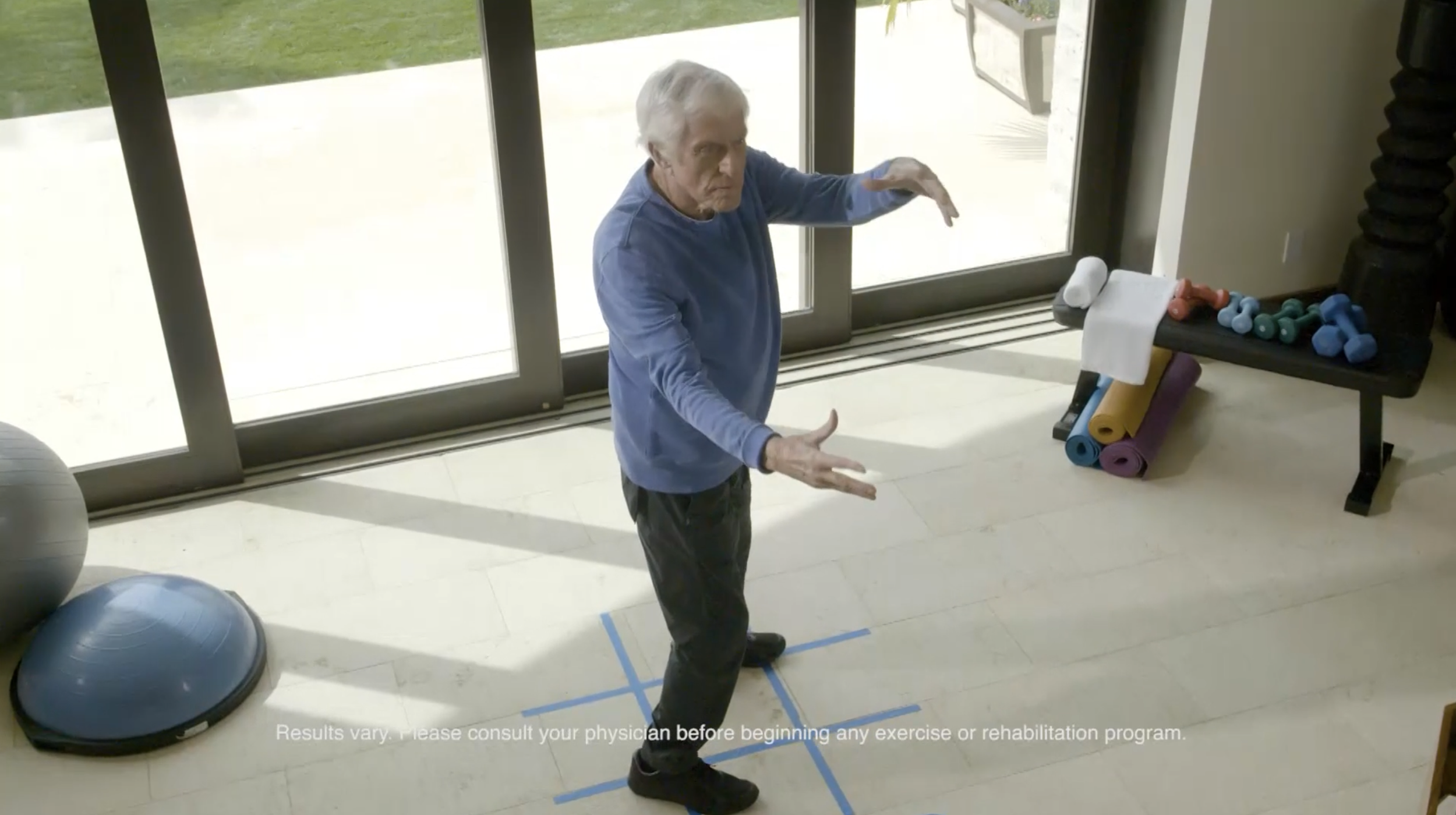
Dick Van Dyke demonstrates a Tai Cheng routine (Tai Cheng with Dick Van Dyke, 2017)
I have long been one to fritter away my time with the oddities of late night television, but this particular infomercial caught my attention. The charisma of Dick Van Dyke and his hypnotic movements seem to cut through the reliably formulaic sales pitch.
I first saw this feat of the moving image in 2018, as I was in the throes of college applications. As it came time to write an essay achieving the lofty task of conveying my essence to a panel of people I’d never met as they determined my possible future, I thought of topics that frequently crossed my mind.
Naturally, television was front and center. And so, I discussed TV as a lens to examine topics, and to examine how people examine those topics. I used Tai Cheng with Dick Van Dyke to illustrate the intrigue and opportunities for analysis that can lie in even the most (seemingly) banal works.
It is by no means a perfect essay. (In particular, I feel I overstated just how much you can learn from national TV news alone…). But it did the trick in getting me where I proved to be going: Vassar College. There I learned about authors and ideas that have more fully equipped me to analyze media and our relationship with it. I produced my own film, television, and radio works, often capitalizing on the same convergence of the mundane and odd that caught my attention in Tai Cheng. I even produced my own infomercial.
I think it’s fairly impossible to write a college essay that conveys everything you want it to. But I’m glad to have mine as a marker for my developing thoughts on how I see the world.
I now work at Boston Neighborhood Network Media, a community television and radio station, where I continue to consider the role of broadcasting in our world. I’ve learned that in both watching and making television, there is so much to explore of human nature as we work to communicate and connect with one another.
So thank you, Dick Van Dyke, for joining me on this winding road as I experience and examine the media that permeates our collective existence.
Below is my college essay, completed a shocking six years ago this December:
Describe a topic, idea, or concept you find so engaging that it makes you lose all track of time. Why does it captivate you? What or who do you turn to when you want to learn more?
Late at night, I sit on my couch, bathed in the artificial glow of the television. I ascend the seemingly endless mountain of channels, passing by Emmy-winning drama series and blockbuster films. Finally, a title on the television guide catches my attention. The words, almost surreal, are still burned into my mind — Tai Cheng with Dick Van Dyke.
I begin to watch, and as is often the case with infomercials, it is artificial and flat. Nonetheless, the bizarre premise — a 90-year-old Hollywood star promoting a made-up martial art to an audience of senior citizens — enthralls me. Most would not have given the program even a passing thought, but I find great importance in its seemingly inconsequential existence. I wonder to myself — what can I learn from this? What does it tell me about the world? What brought Dick Van Dyke to this point in his career? To me, even an elderly actor swaying along with an exercise video is an opportunity to learn and think deeply.
When I was in second grade, I stumbled upon a stack of papers that, judging by their small print and lack of pictures, were not meant for me. I grabbed one, and as I glanced at the page, my curiosity turned into annoyance. It was a newsletter from a parents’ organization, and with my semi-proficient reading ability, I gathered that it argued against children watching much, if any, television. I disagreed. Even then I knew that television had benefits. I had learned how to spell the word “fun” from a song in Spongebob Squarepants, after all. While it did not occur to me then, I now realize how much I have gained from television. The boisterous Muppets on Sesame Street taught me to care for others, watching the news showed me the world and led me to ask questions of it, and viewing reruns of The Munsters and The Twilight Zone with my parents not only exposed me to some of the culture and slang of the 1960s, but also contributed to my love of the surreal and the preposterous.
The mind-expanding benefits of television do not end there. From the nightly news I have learned about everything from a nearby Buddhist monastery to international cooperation in combating climate control. Late-night television’s morbidly titled “graveyard slot” gives me a unique chance to witness groups, cultures, and ideas that are not present in my day-to-day life. I am mesmerized by frail yet passionate televangelists offering God’s love (for a price) and I see what it is like to be swept into a religious frenzy. By watching an archetypal Western boasting heroic cowboys and savage Indians, I can imagine myself as a child in the 1960s, and consider what effect such a binary narrative might have had on me. When that fantasy is inevitably broken by commercials for walk-in bathtubs, I appreciate the irony, knowing that somewhere out there, frail old men are watching the same dated Western along with me.
With years of viewing behind me, I concede that television has its downside. Had I spent every waking moment watching television, chances are I would have wound up “trapped” in the world of television á la Willy Wonka & The Chocolate Factory’s Mike Teavee. Nonetheless, I continue to share with my younger self the view that, in moderation, television has the power to educate. Along with the lessons instilled by my parents and teachers, as well as personal experiences and discoveries, television has provided me with an added, far-reaching perspective. And sometimes when I flip through the channels and stumble across that same Tai Cheng infomercial and hear Dick Van Dyke telling a group of senior citizens, “off to your adventure, say ‘hi’ to the whales,” I think to myself, there are some things in life that just cannot be understood.